Hey, I’m Blair. I help organisations make sense of complex problems and design services that work in the real world.
Hey, I’m Blair. I help organisations make sense of complex problems and design services that work in the real world.
My approach is shaped by what real people need, what teams can deliver, and what systems make possible.
My approach is shaped by what real people need, what teams can deliver, and what systems make possible.
Service Design
User Research
Digital Transformation





About Me
I’m a Service Designer who enjoys making sense of complexity. Over the past several years, I’ve worked across government, enterprise and digital products, helping teams better understand user needs, improve services and make confident decisions.
My work combines research, service design and collaboration to uncover what’s really happening, challenge assumptions and identify practical ways forward. Whether I’m facilitating workshops, mapping services or testing ideas with users, I focus on creating solutions that work for both customers and the organisations delivering them.
I’ve worked on everything from citizenship and passport services to workplace safety and global software products. While every project is different, the goal is usually the same: understand the problem, bring the right people together, and help turn complexity into something useful.
At the end of the day, I enjoy solving tricky problems and making things make sense.
Years of Experience
Years of Experience
Years of Experience
Research Interviews
Research Interviews
Research Interviews
Projects Delivered
Projects Delivered
Projects Delivered
My Process
Understand the Brief
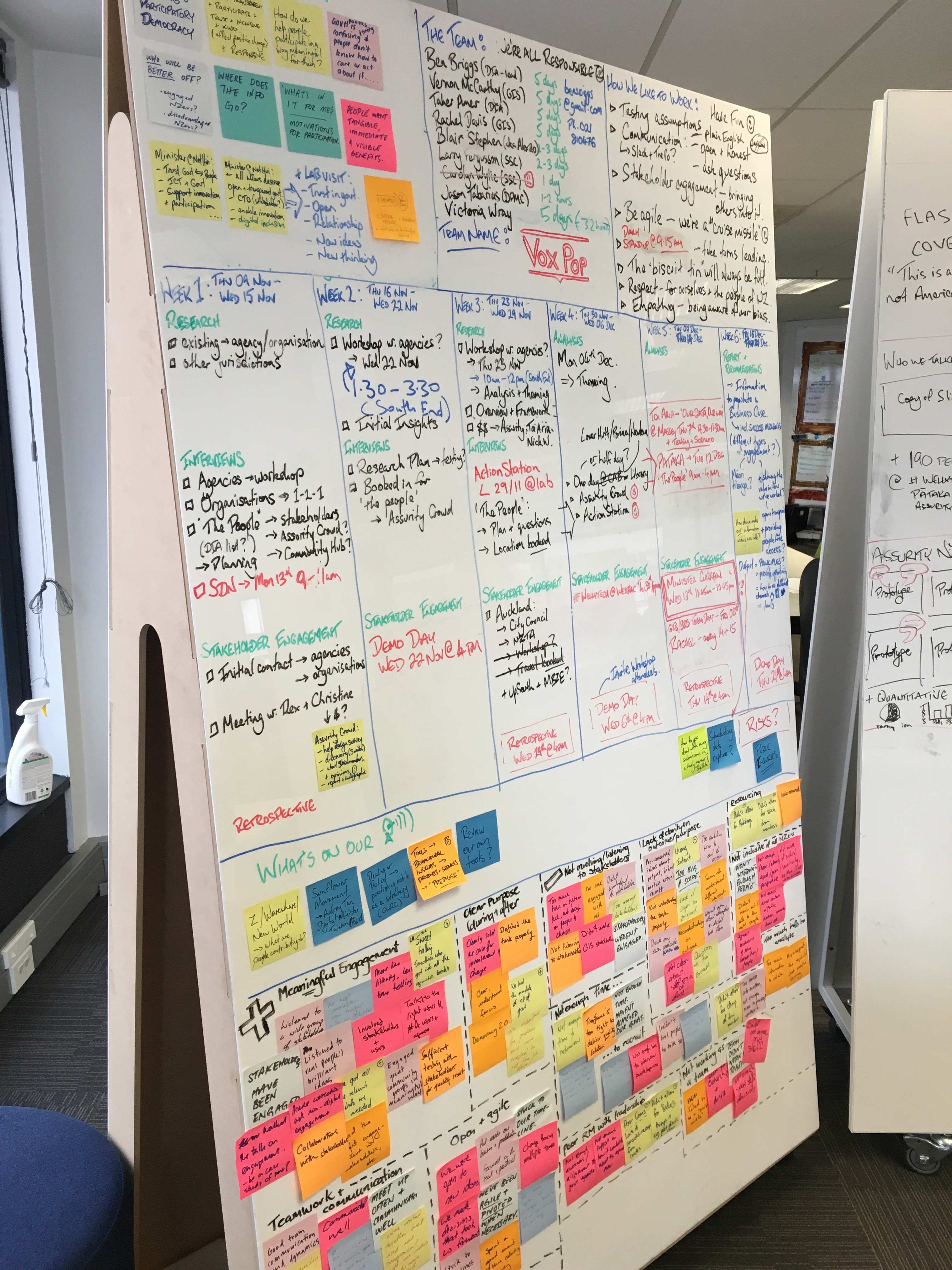
Before jumping into design, I take time to understand the service, the constraints around it, and where assumptions are already shaping the solution. That often means slowing things down just enough to ask better questions about the policy, the system, and the people navigating both. In one transformation programme, I introduced research and testing practices that helped shift focus away from solution mode. That early investment made it easier to spot mismatches between user needs and the regulatory content being designed, helping the team reframe what the service actually needed to do.
Understand the Brief
Before jumping into design, I take time to understand the service, the constraints around it, and where assumptions are already shaping the solution. That often means slowing things down just enough to ask better questions about the policy, the system, and the people navigating both. In one transformation programme, I introduced research and testing practices that helped shift focus away from solution mode. That early investment made it easier to spot mismatches between user needs and the regulatory content being designed, helping the team reframe what the service actually needed to do.
Understand the Brief
Before jumping into design, I take time to understand the service, the constraints around it, and where assumptions are already shaping the solution. That often means slowing things down just enough to ask better questions about the policy, the system, and the people navigating both. In one transformation programme, I introduced research and testing practices that helped shift focus away from solution mode. That early investment made it easier to spot mismatches between user needs and the regulatory content being designed, helping the team reframe what the service actually needed to do.
Co-Design and Reframe
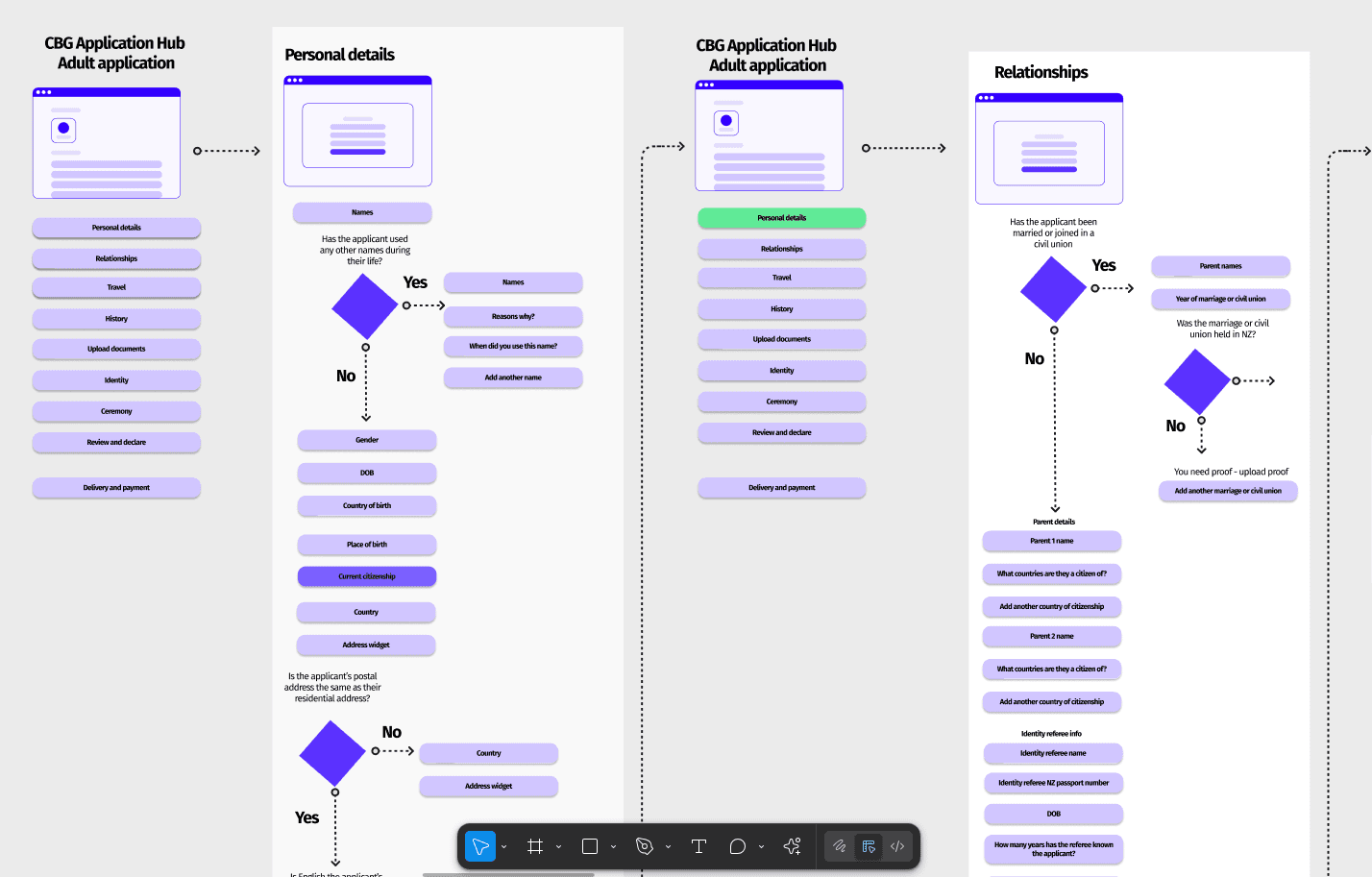
The best ideas rarely come from one person. I use co-design to get the best out of the room, not just to collect input, but to challenge thinking and shift perspective. That means creating spaces where policy experts, service staff and users can explore problems together. When we do it well, reframing becomes a shared activity rather than something done in isolation by the designer. Co-design has helped break down silos between teams and highlight the gap between internal assumptions and what front-line workers actually need. That shift in thinking often creates the foundation for better services, clearer content and more practical solutions.
Co-Design and Reframe
The best ideas rarely come from one person. I use co-design to get the best out of the room, not just to collect input, but to challenge thinking and shift perspective. That means creating spaces where policy experts, service staff and users can explore problems together. When we do it well, reframing becomes a shared activity rather than something done in isolation by the designer. Co-design has helped break down silos between teams and highlight the gap between internal assumptions and what front-line workers actually need. That shift in thinking often creates the foundation for better services, clearer content and more practical solutions.
Co-Design and Reframe
Web design is the art and science of creating visually appealing and functional websites that provide seamless user experiences. By blending aesthetics, usability, and cutting-edge technology, web design shapes how individuals interact with digital spaces. It encompasses layout design, typography, color schemes, and responsive frameworks, ensuring websites look and perform flawlessly across devices. Whether for businesses, personal portfolios, or e-commerce platforms
Test and Refine
Testing helps bridge the gap between how something is meant to work and how it is actually experienced. When approached with curiosity, usability testing becomes a powerful tool for revealing what is unclear, what has been assumed, and what could work better. It is not just about catching mistakes. It is about protecting the quality of the service and avoiding costly missteps. In one project, we were reassured that an out-of-the-box photo editor tool was ready to go. Usability testing told a different story. Users were confused, key functions did not behave as expected, and the experience did not meet basic accessibility needs. Raising those findings led to the release being paused and the experience redesigned, avoiding a poor customer experience before it went live.

Test and Refine
Testing helps bridge the gap between how something is meant to work and how it is actually experienced. When approached with curiosity, usability testing becomes a powerful tool for revealing what is unclear, what has been assumed, and what could work better. It is not just about catching mistakes. It is about protecting the quality of the service and avoiding costly missteps. In one project, we were reassured that an out-of-the-box photo editor tool was ready to go. Usability testing told a different story. Users were confused, key functions did not behave as expected, and the experience did not meet basic accessibility needs. Raising those findings led to the release being paused and the experience redesigned, avoiding a poor customer experience before it went live.
Test and Refine
Testing helps bridge the gap between how something is meant to work and how it is actually experienced. When approached with curiosity, usability testing becomes a powerful tool for revealing what is unclear, what has been assumed, and what could work better. It is not just about catching mistakes. It is about protecting the quality of the service and avoiding costly missteps. In one project, we were reassured that an out-of-the-box photo editor tool was ready to go. Usability testing told a different story. Users were confused, key functions did not behave as expected, and the experience did not meet basic accessibility needs. Raising those findings led to the release being paused and the experience redesigned, avoiding a poor customer experience before it went live.
Deliver and Embed
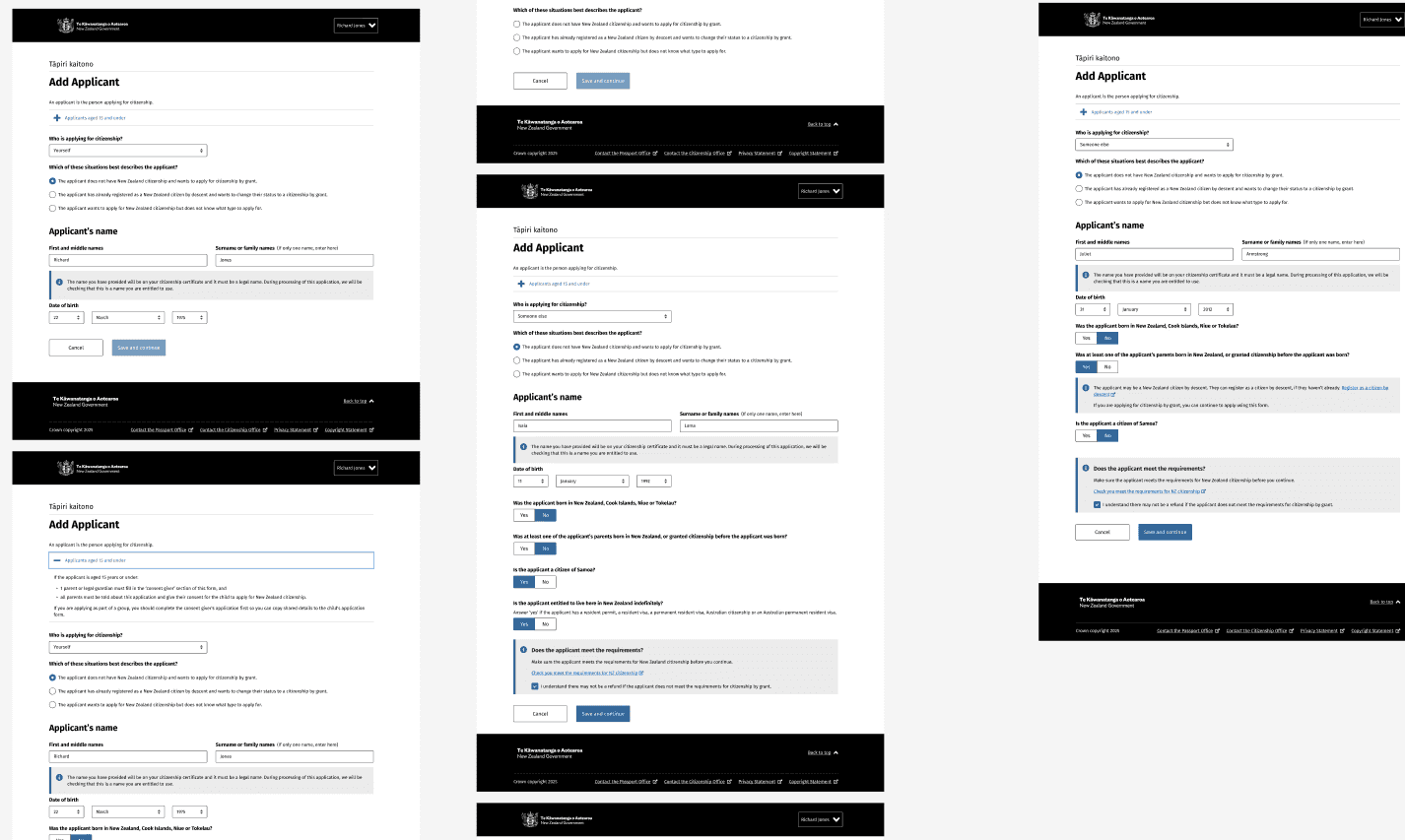
Even the best design can fall flat if it is not grounded in context. Embedding good ideas means working closely with delivery teams to make sure services are practical, not just promising. That often involves navigating policy, operations and technology, then finding shared language to connect them. I have supported implementation by translating design decisions into clear requirements, surfacing user pain points at key checkpoints, and helping teams make confident trade-offs. These are the moments where design meets delivery, and where service thinking proves its value.
Deliver and Embed
Even the best design can fall flat if it is not grounded in context. Embedding good ideas means working closely with delivery teams to make sure services are practical, not just promising. That often involves navigating policy, operations and technology, then finding shared language to connect them. I have supported implementation by translating design decisions into clear requirements, surfacing user pain points at key checkpoints, and helping teams make confident trade-offs. These are the moments where design meets delivery, and where service thinking proves its value.
Deliver and Embed
Even the best design can fall flat if it is not grounded in context. Embedding good ideas means working closely with delivery teams to make sure services are practical, not just promising. That often involves navigating policy, operations and technology, then finding shared language to connect them. I have supported implementation by translating design decisions into clear requirements, surfacing user pain points at key checkpoints, and helping teams make confident trade-offs. These are the moments where design meets delivery, and where service thinking proves its value.
Framer developer
A Framer developer specializes in building interactive and visually stunning digital experiences using Framer, a powerful design and prototyping tool. Combining creative design principles with advanced coding skills, they craft responsive websites, animations, and prototypes that bring ideas to life. With a focus on seamless interactions and performance, Framer developers bridge the gap between design and development, enabling teams to iterate quickly and deliver polished, user-centric products.

My Work
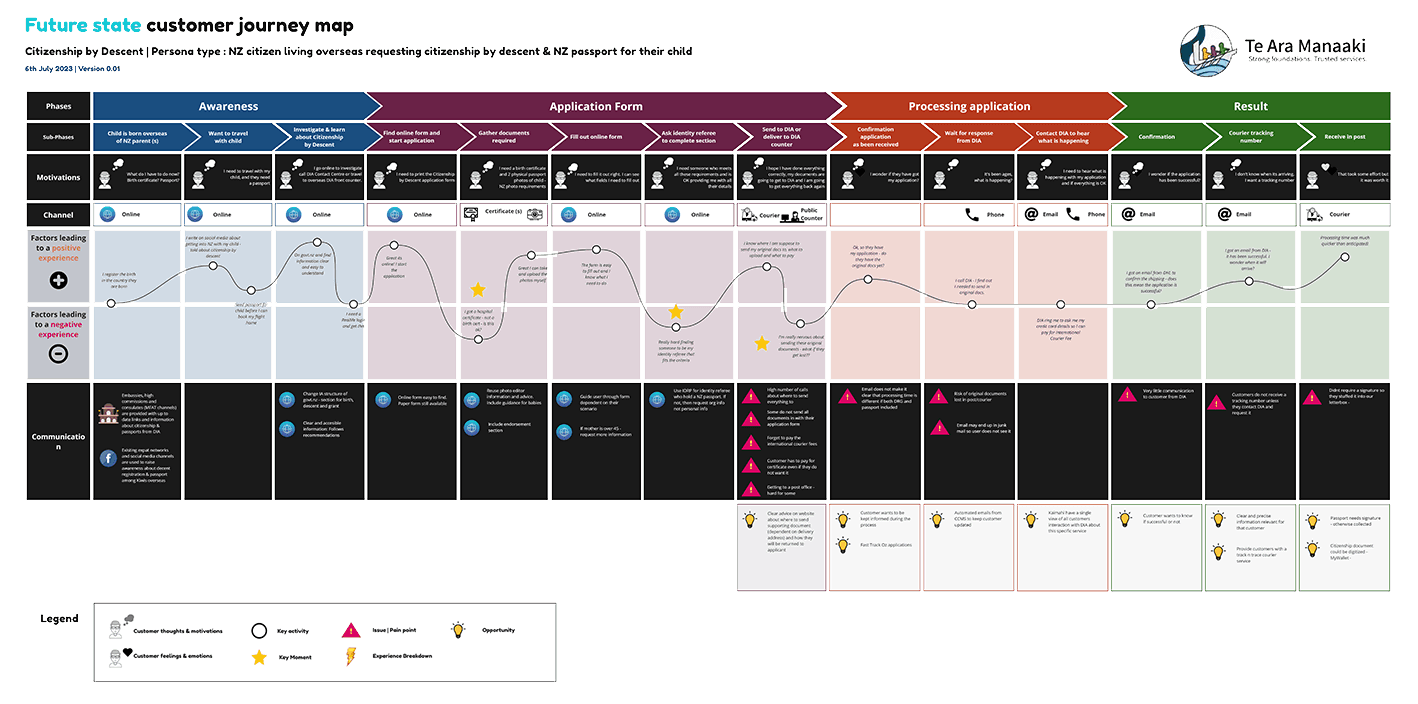
Customer Journey Map
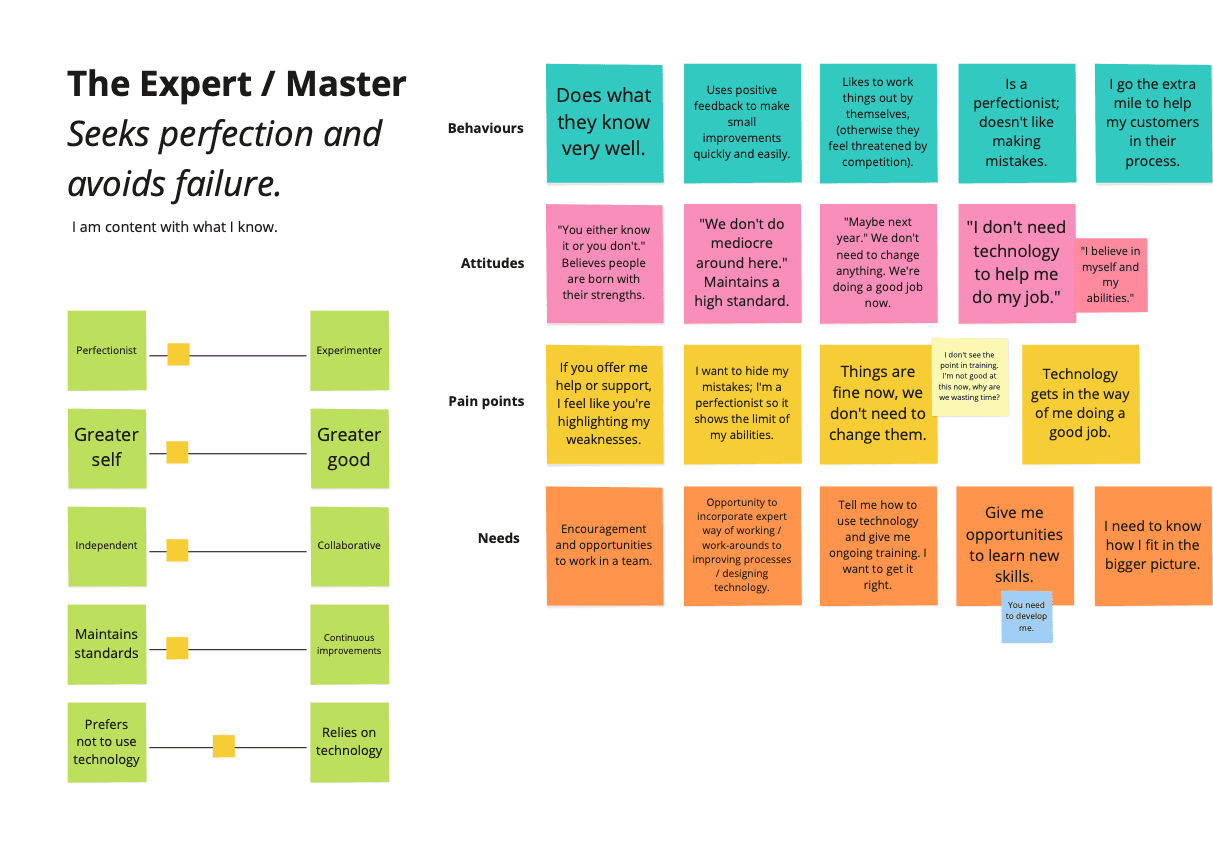
Mindsets
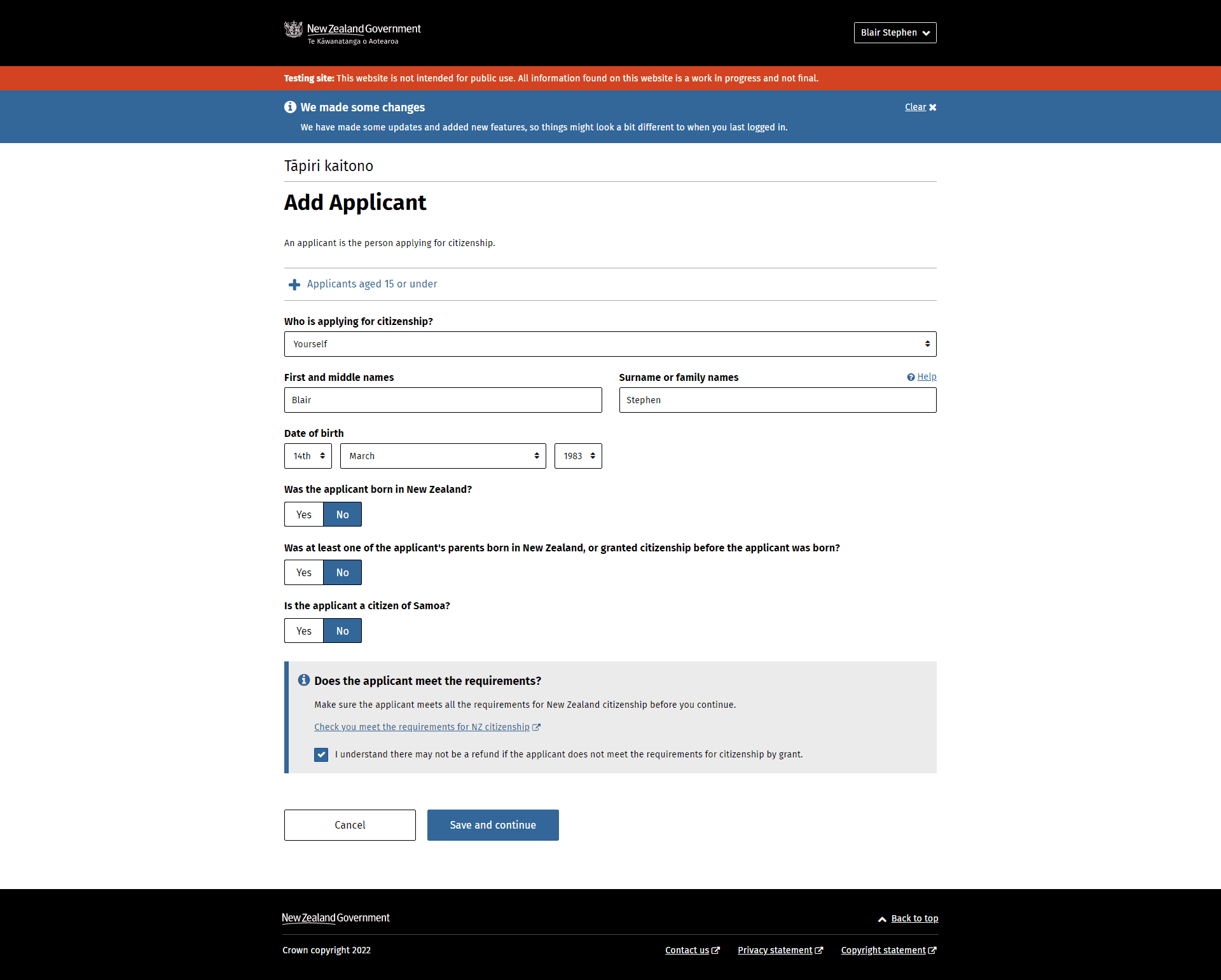
Usability Testing
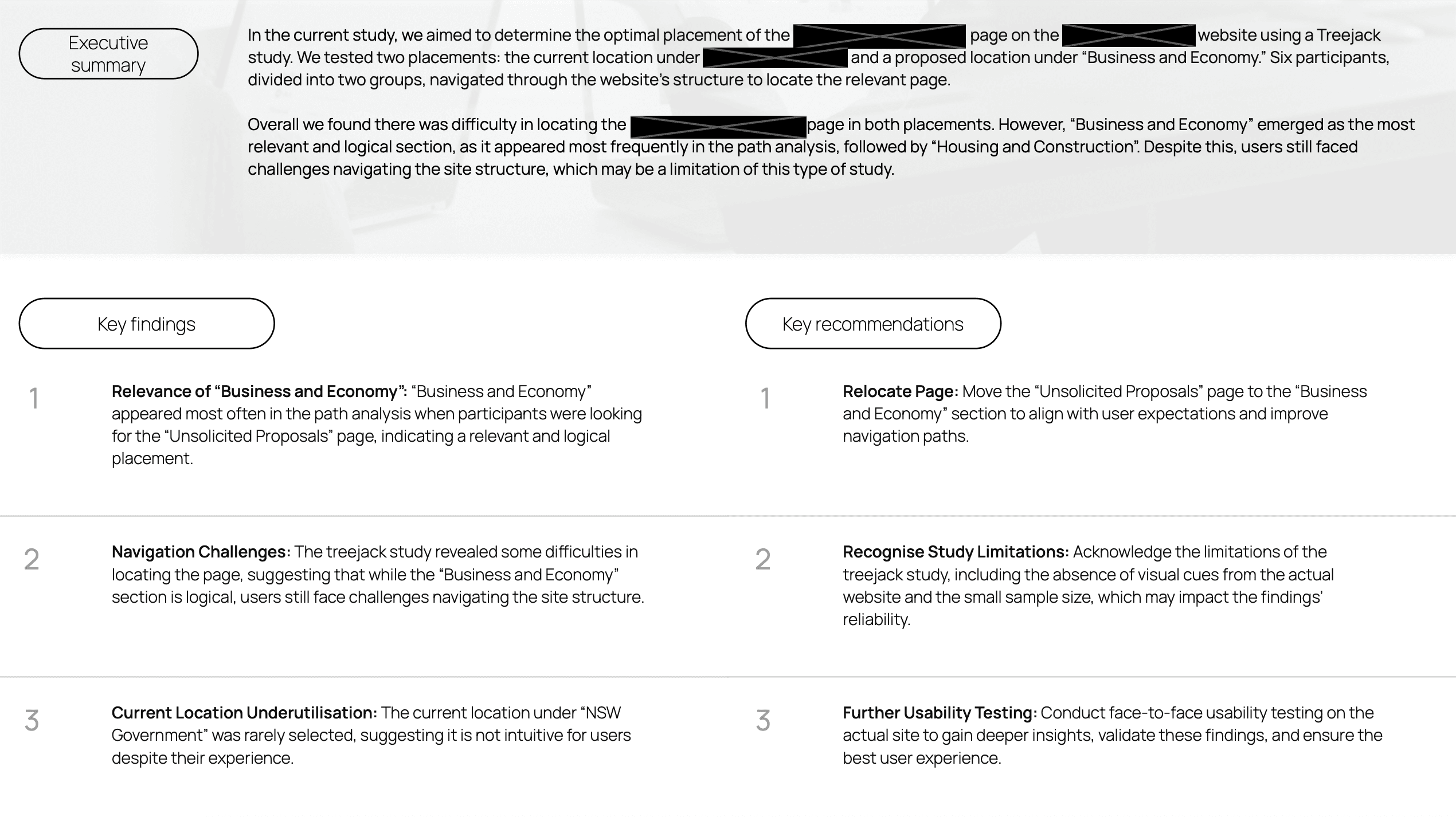
Research Report
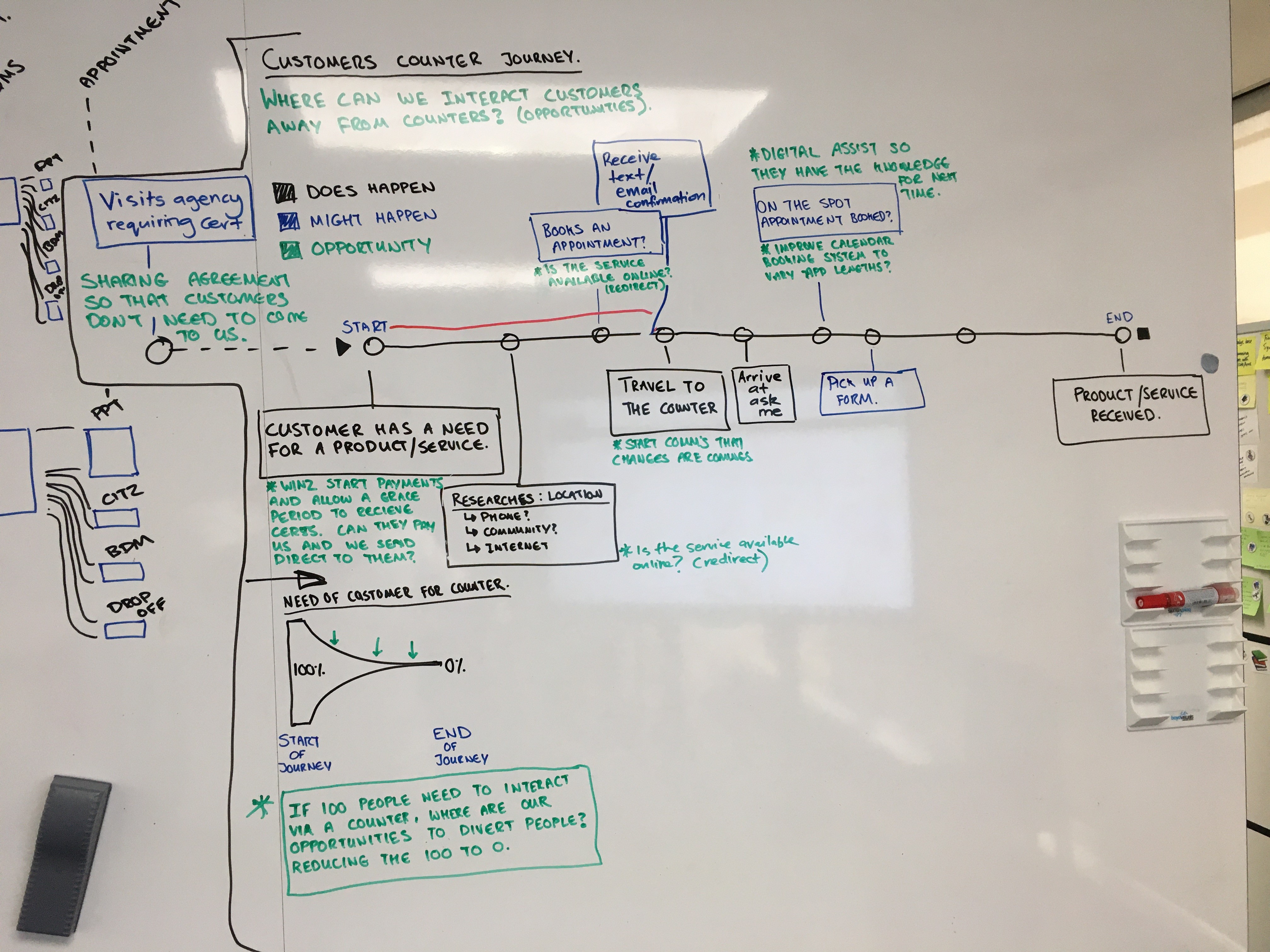
Customer Journey Mapping
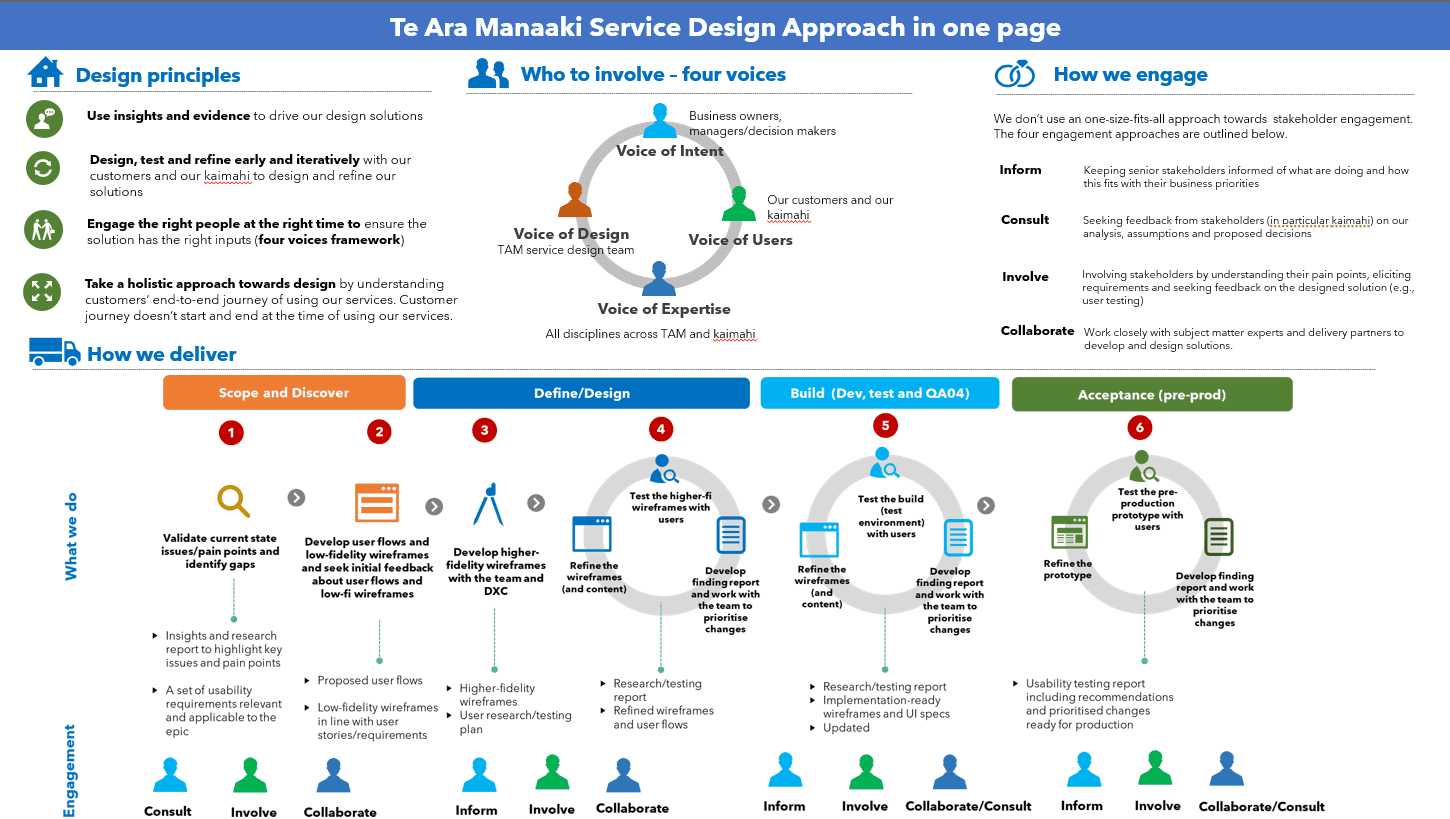
Design Approach
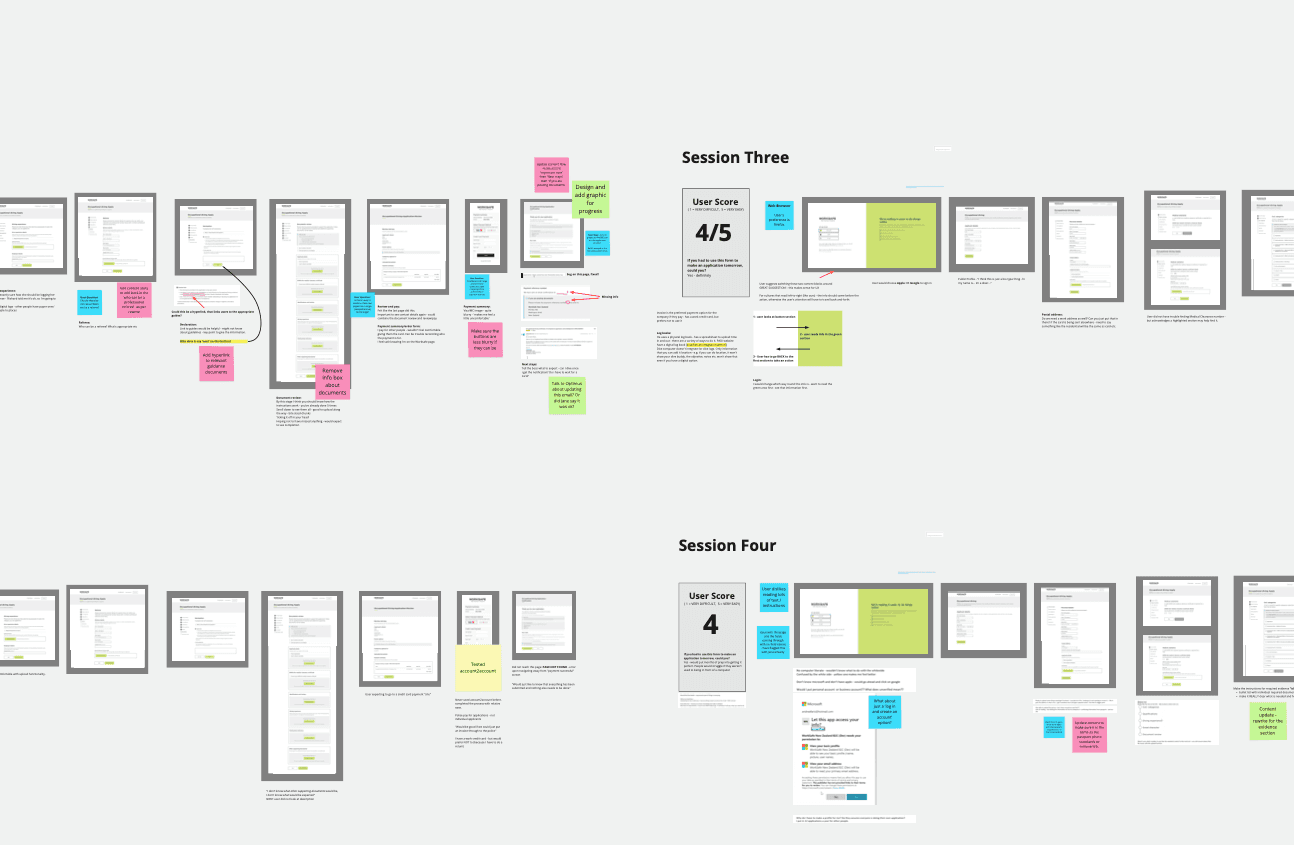
User Researcher
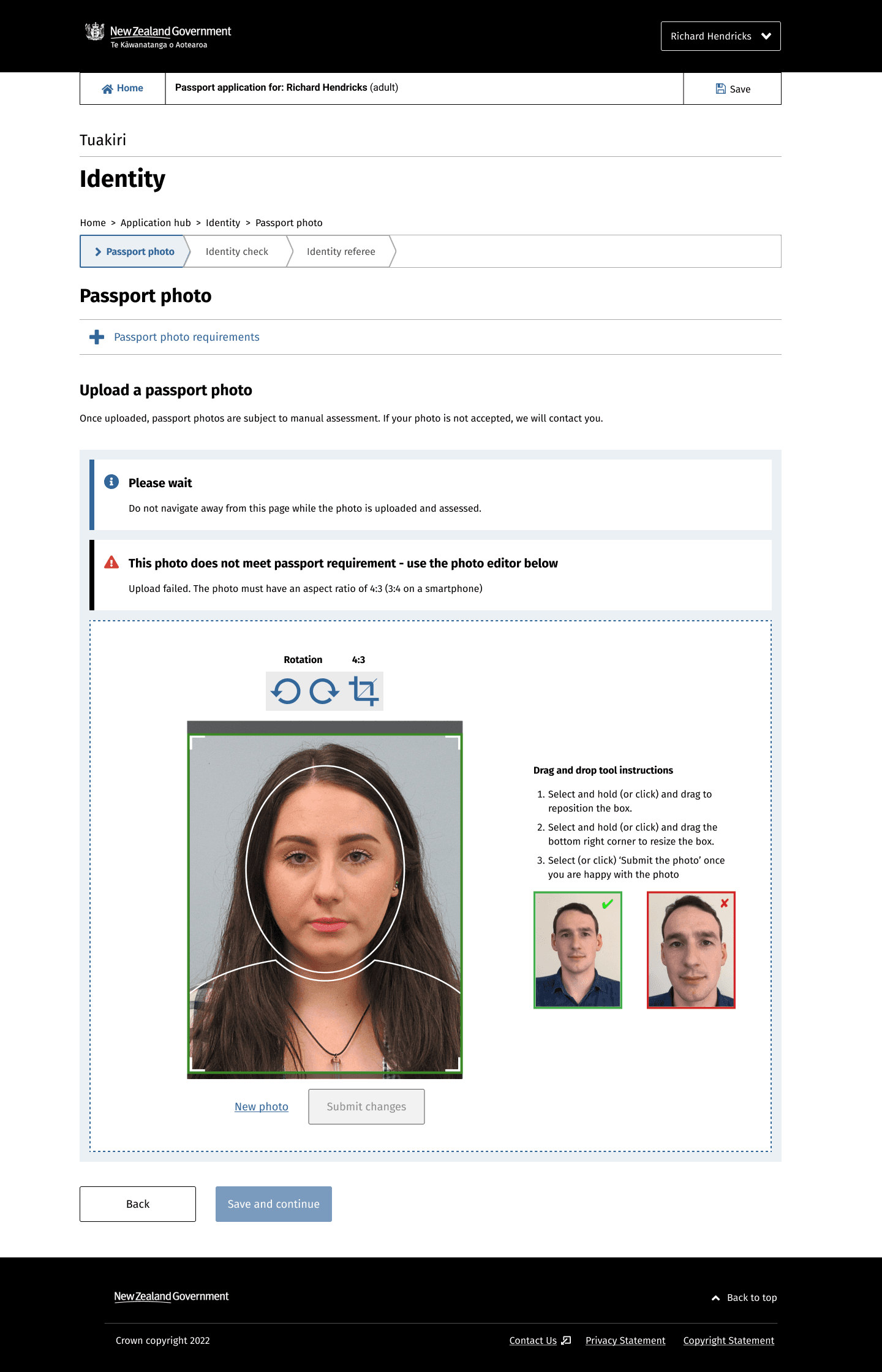
Usability Testing
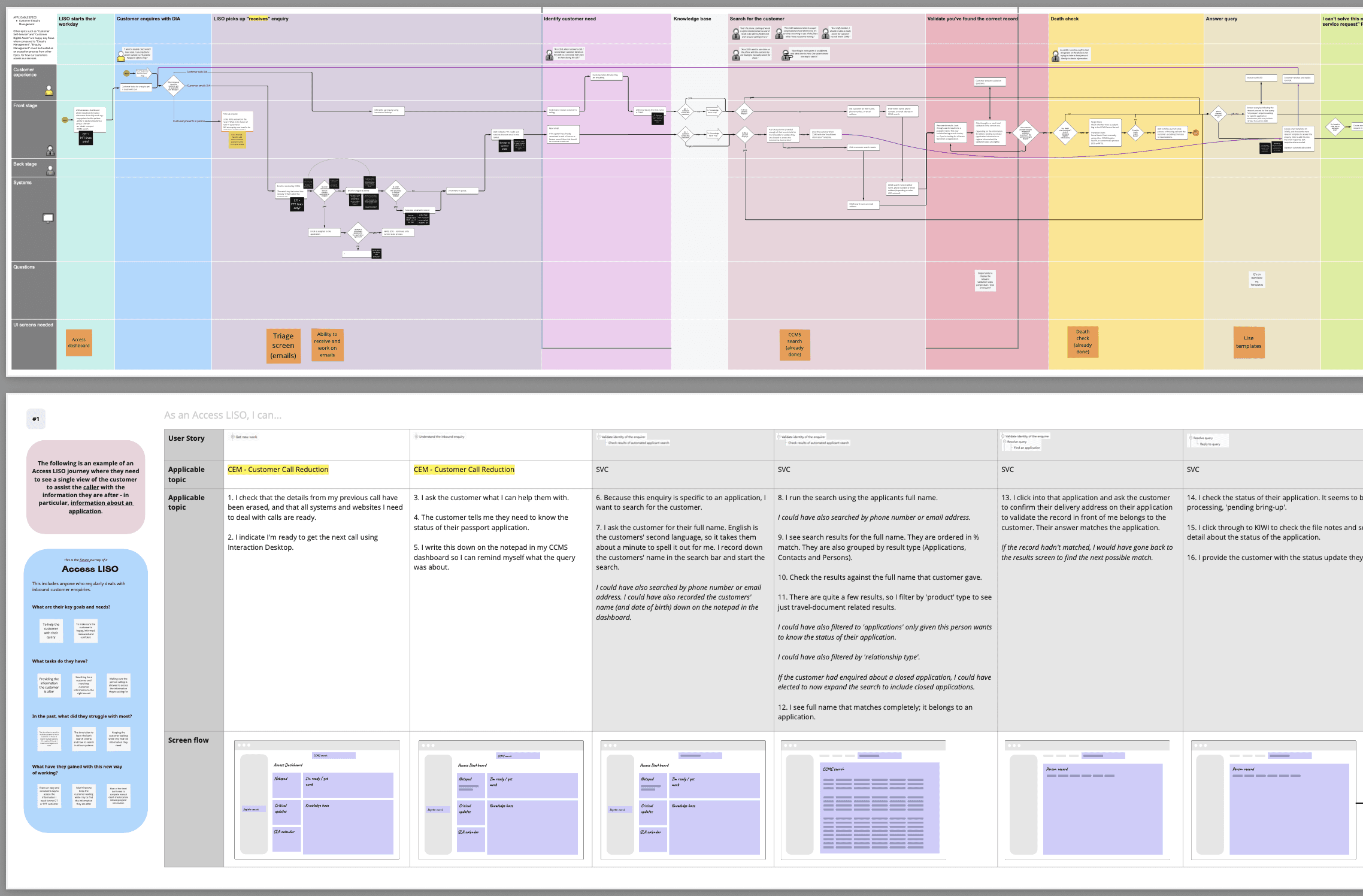
Service Blueprint
Customer Journey Map
Mindsets
Usability Testing
Research Report
Customer Journey Mapping
Design Approach
User Researcher
Usability Testing
Service Blueprint
Customer Journey Map
Mindsets
Usability Testing
Research Report
Customer Journey Mapping
Design Approach
User Researcher
Usability Testing
Service Blueprint
Customer Journey Map
Mindsets
Usability Testing
Research Report
Customer Journey Mapping
Design Approach
User Researcher
Usability Testing
Service Blueprint
Customer Journey Map
Mindsets
Usability Testing
Research Report
Customer Journey Mapping
Design Approach
User Researcher
Usability Testing
Service Blueprint
Customer Journey Map
Mindsets
Usability Testing
Research Report
Customer Journey Mapping
Design Approach
User Researcher
Usability Testing
Service Blueprint
Customer Journey Map
Mindsets
Usability Testing
Research Report
Customer Journey Mapping
Design Approach
User Researcher
Usability Testing
Service Blueprint
Customer Journey Map
Mindsets
Usability Testing
Research Report
Customer Journey Mapping
Design Approach
User Researcher
Usability Testing
Service Blueprint